What Actually Makes a Dallas Home Worth More?
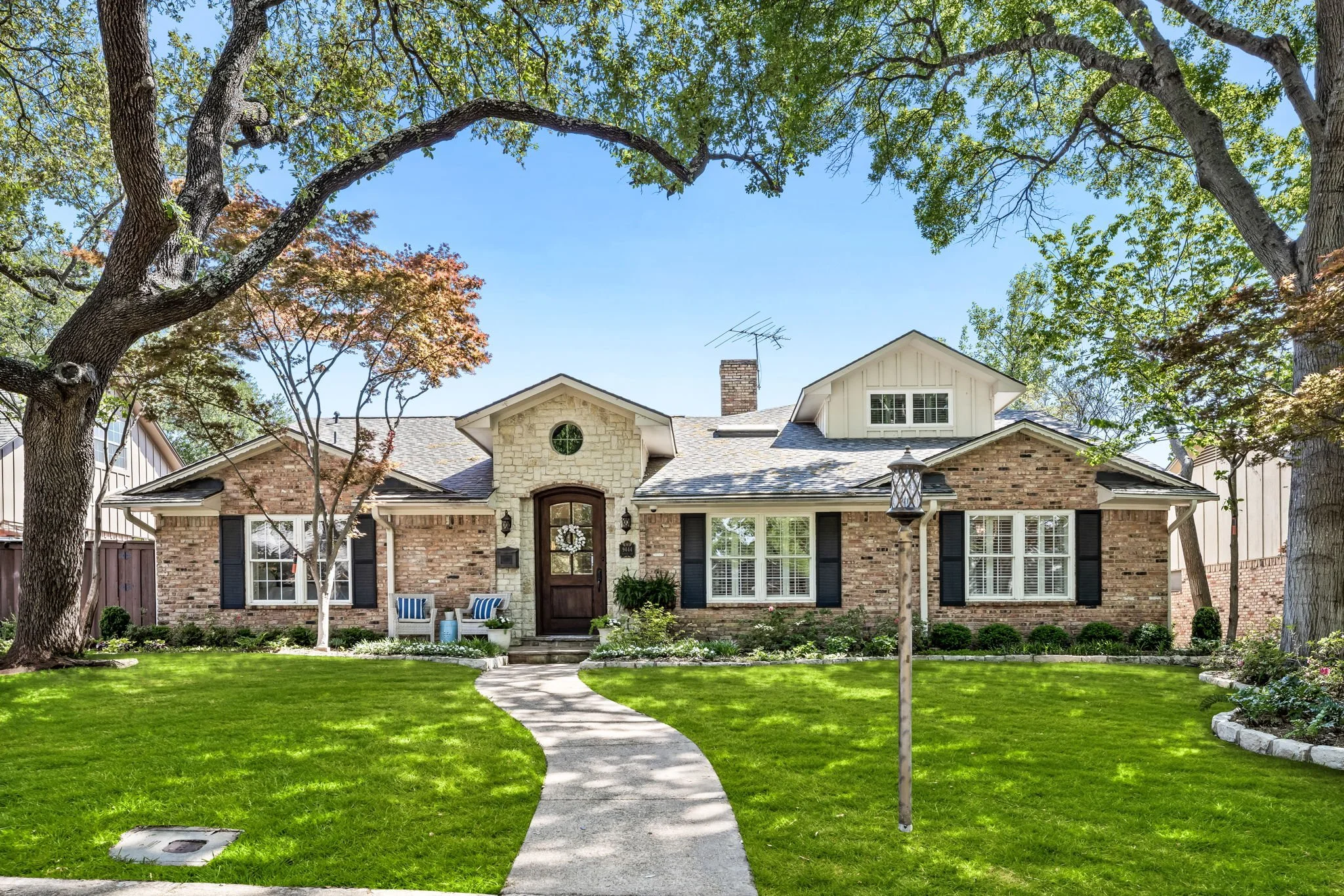
A brick and stone Dallas home framed by mature trees, illustrating the curb appeal and established character that can influence a home's value.
What Actually Makes a Dallas Home Worth More?
By Courtney and Edward Slater
When it comes to real estate, it's easy to assume that a renovated kitchen, a luxurious primary bathroom or the latest design trends are what make a home more valuable.
And while those features can certainly make a difference, they're only part of the picture.
A home's value is influenced by a combination of factors, including its location, lot, layout, condition, updates and the demand for homes like it in the current market. Some of these things can be changed. Others cannot.
For homeowners in Dallas, understanding that distinction can be especially important. In established neighborhoods like Lake Highlands, Lakewood, Devonshire, Preston Hollow and the Park Cities, homes can vary significantly in age, architectural style, lot size and level of renovation—even within the same neighborhood.
So, what actually makes one home worth more than another?
And if you're thinking about selling, where should you focus your time and money?
Let's take a closer look.
Location: The One Thing You Can't Change
You've probably heard the real estate saying, "Location, location, location." It's repeated so often because location remains one of the most important influences on a home's value.
You can renovate a kitchen, add a bathroom or update the landscaping. But you can't move your home to a different street or recreate an established neighborhood somewhere else.
In Dallas, location encompasses more than a neighborhood name. It can include the specific street, proximity to parks and amenities, commute routes, school attendance zones, nearby development and the overall character of the surrounding area.
Even within the same neighborhood, one property may offer advantages that another does not. A quiet interior street, a desirable lot, mature trees or a particularly convenient location can influence how buyers perceive a home.
Consider established neighborhoods such as Lake Highlands and Lakewood. Buyers may be drawn to their mature trees, established streets and distinctive homes. In Devonshire, Preston Hollow and the Park Cities, buyers may prioritize a different combination of location, architecture, lot characteristics and proximity to the places they frequent.
The takeaway: Before investing in improvements, understand what buyers already value about your location. Those existing advantages may be among your home's strongest selling points.
The Lot Can Be Just as Important as the House
When evaluating a property, buyers naturally focus on the house itself. But the land it sits on can have a significant influence on value, too.
Lot size, shape, topography, privacy and usability can all affect how appealing a property is to prospective buyers.
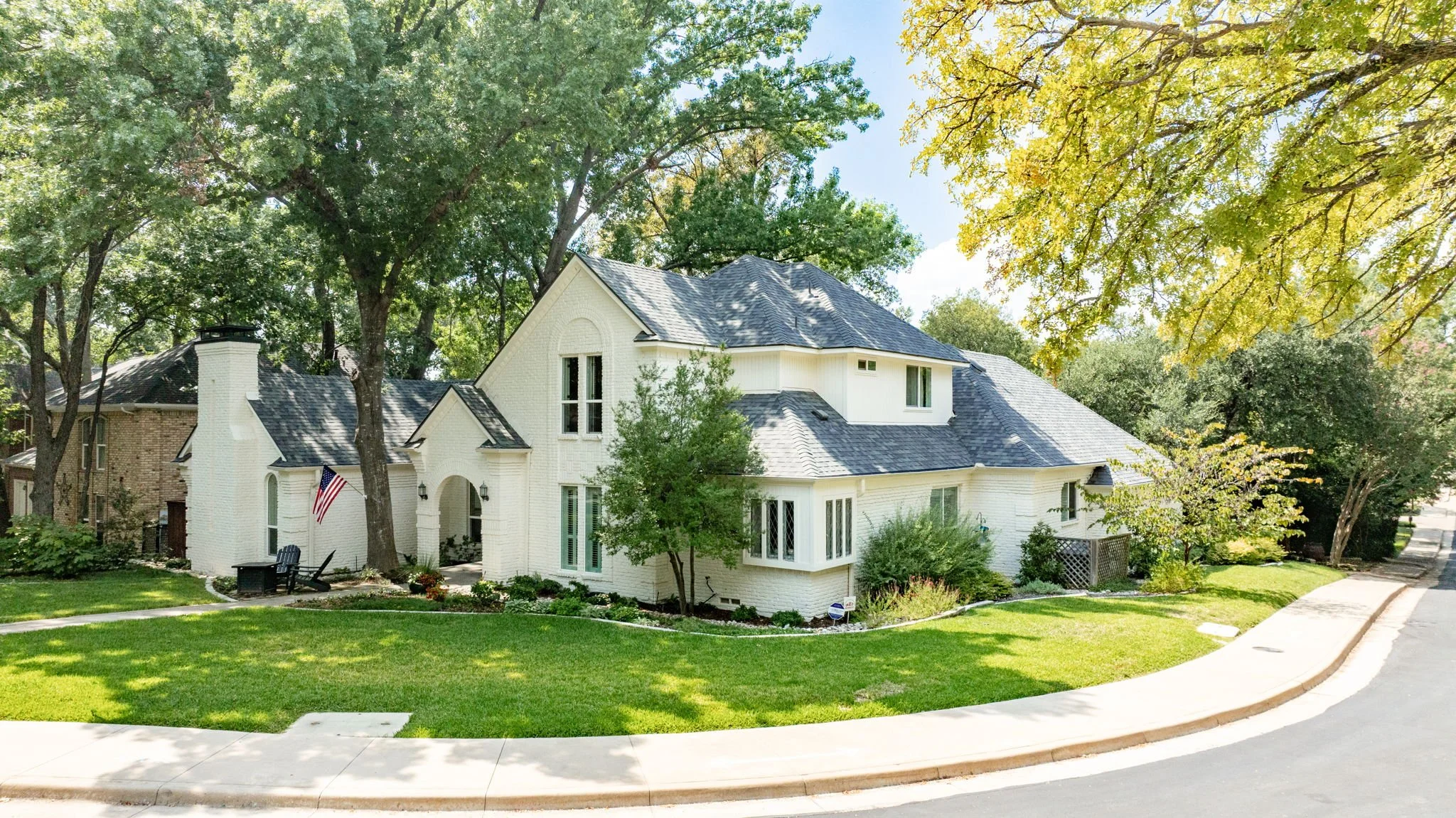
A home's lot, mature trees and usable outdoor space can contribute to its appeal just as much as the house itself.
A large backyard with room for a pool, outdoor entertaining or play space may be especially attractive to some buyers. Others may value mature trees, a more private setting or a manageable yard that requires less maintenance.
In established Dallas neighborhoods, lot characteristics can be particularly important. Some properties offer unusually large lots, mature landscaping or opportunities to expand or build. Others have smaller yards but benefit from a highly desirable location or a more manageable outdoor space.
Of course, a larger lot doesn't automatically mean a higher value. Usability, location, drainage, easements, zoning and other property-specific considerations can all matter.
But it's worth remembering that land is not something you can add to a property as easily as you can update an interior.
Floor Plan and Functionality Matter More Than You Might Think
A home can have beautiful finishes and still feel awkward to live in.
Perhaps the kitchen is separated from the main living areas. Maybe the bedrooms are poorly arranged, storage is limited or the laundry room is inconveniently located. In other homes, the layout flows naturally, rooms feel appropriately sized and everyday activities are easy to accommodate.
Buyers notice these things, even when they don't immediately articulate them.
Functional layouts, useful storage, comfortable living spaces and a natural flow between rooms can make a home more appealing. Flexible spaces that accommodate working from home, guests or changing family needs may also be valuable.
That doesn't mean every home needs an open floor plan or a dedicated home office. Different buyers have different preferences, and architectural styles vary across Dallas.
The important question is whether the home's layout works well for the people most likely to buy it.
Before considering a major renovation, look at how the existing space functions. Sometimes a thoughtful reconfiguration or a relatively modest improvement can make a meaningful difference in how a home feels.
Condition: What Buyers See—and What They Don't
A home's condition affects more than its appearance. It can influence a buyer's confidence, anticipated expenses and willingness to move forward.
Fresh paint, clean flooring and attractive landscaping may create a positive first impression. But buyers also want to understand the condition of the systems and components they cannot easily see.
These can include:
The roof and its remaining useful life
Foundation history and any previous repairs
Plumbing and electrical systems
Heating and air conditioning
Windows, doors and insulation
Drainage and grading around the home
Sewer lines and other major components
This is especially relevant for older Dallas homes, where systems may have been updated at different times throughout the property's history.
A home with an attractive, recently renovated kitchen may still need significant work elsewhere. Conversely, a home with dated finishes may have been carefully maintained and have many of its major components in good condition.
Cosmetic updates and underlying condition are two different things. Both matter, but buyers may evaluate them differently.
If you're preparing to sell, understanding the home's condition before listing can help you decide which repairs to address, what to disclose and how to position the property.
A pre-listing inspection may help identify potential issues before buyers discover them during their own inspection. It doesn't eliminate every possible surprise, but it can give sellers more information as they prepare for the market.
Renovations: Which Improvements Are Worth It?
This is often the question homeowners want answered first: What should I renovate to increase my home's value?
The honest answer is that it depends.
A renovation's value depends on the home's current condition, the quality of the work, the cost, buyer expectations in the neighborhood and the price range in which the home competes.
Some improvements may help a home appeal to more buyers. Others may be worthwhile because they improve everyday living, even if the full cost isn't recovered at resale.
Kitchens and bathrooms
Kitchens and bathrooms often receive considerable attention because buyers use them every day and can easily compare them across homes.
An outdated kitchen with poor lighting, limited storage or worn finishes may benefit from thoughtful improvements. A bathroom with damaged fixtures or an inefficient layout may need attention, too.
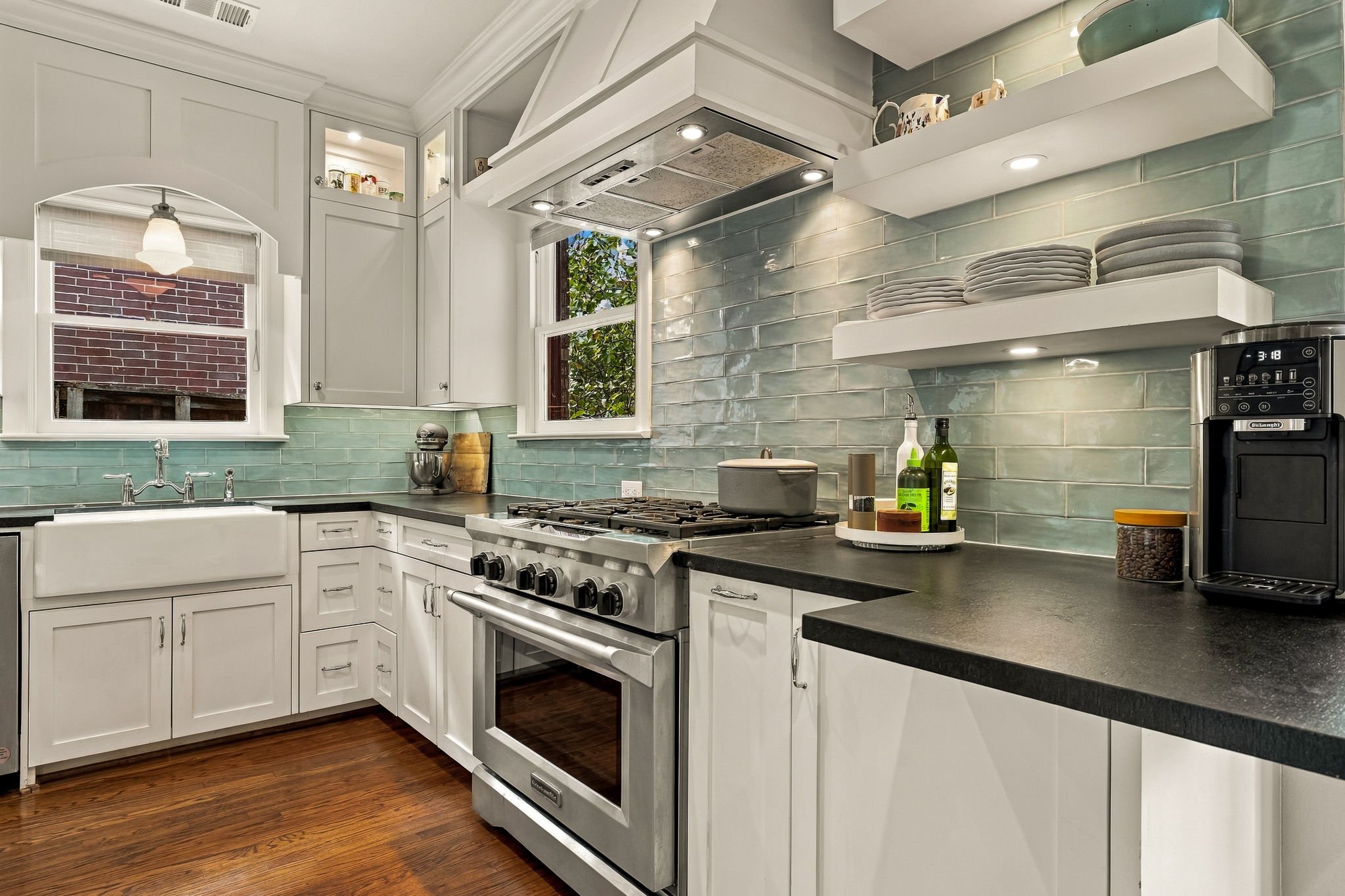
Thoughtful updates can refresh a home while keeping improvements aligned with the property's character and market.”
But a complete renovation isn't always necessary.
New hardware, updated lighting, fresh paint, repaired cabinetry or improved fixtures may refresh a space without the expense of replacing everything.
The goal is to bring the home into line with buyer expectations without spending more than the property and market can reasonably support.
Flooring, paint and lighting
These improvements may not be as dramatic as a full remodel, but they can influence how buyers experience a home.
Worn flooring, dated paint colors, dark rooms or mismatched light fixtures can distract from a property's strengths. Clean, cohesive finishes and appropriate lighting can help spaces feel brighter, better maintained and more inviting.
These updates are often worth evaluating before committing to larger projects.
Outdoor living and curb appeal
First impressions begin before a buyer walks through the front door.
Landscaping, a clean entry, a well-maintained walkway and an inviting front porch can help a home feel cared for. In Dallas, outdoor living areas may also appeal to buyers who enjoy entertaining or spending time outside for much of the year.
That doesn't mean every home needs an elaborate outdoor kitchen or resort-style backyard. The right improvements depend on the property, the likely buyer and the surrounding competition.
A tidy, functional outdoor space may be more valuable than an expensive feature that doesn't fit the home or neighborhood.
The danger of over-improving
One of the most common mistakes homeowners make is assuming that every dollar spent on a renovation will translate into a higher sale price.
Unfortunately, that isn't how value works.
A homeowner may invest in luxury finishes that exceed what buyers expect in the surrounding area. Another may undertake a major remodel shortly before selling, only to discover that buyers would have been equally satisfied with a less expensive update.
Before starting a project, consider the home's current value, comparable properties, likely buyer expectations and the cost of the proposed work.
The best improvement isn't necessarily the most expensive one. It's the one that makes sense for the home and the market.
Architectural Character Can Be a Valuable Asset
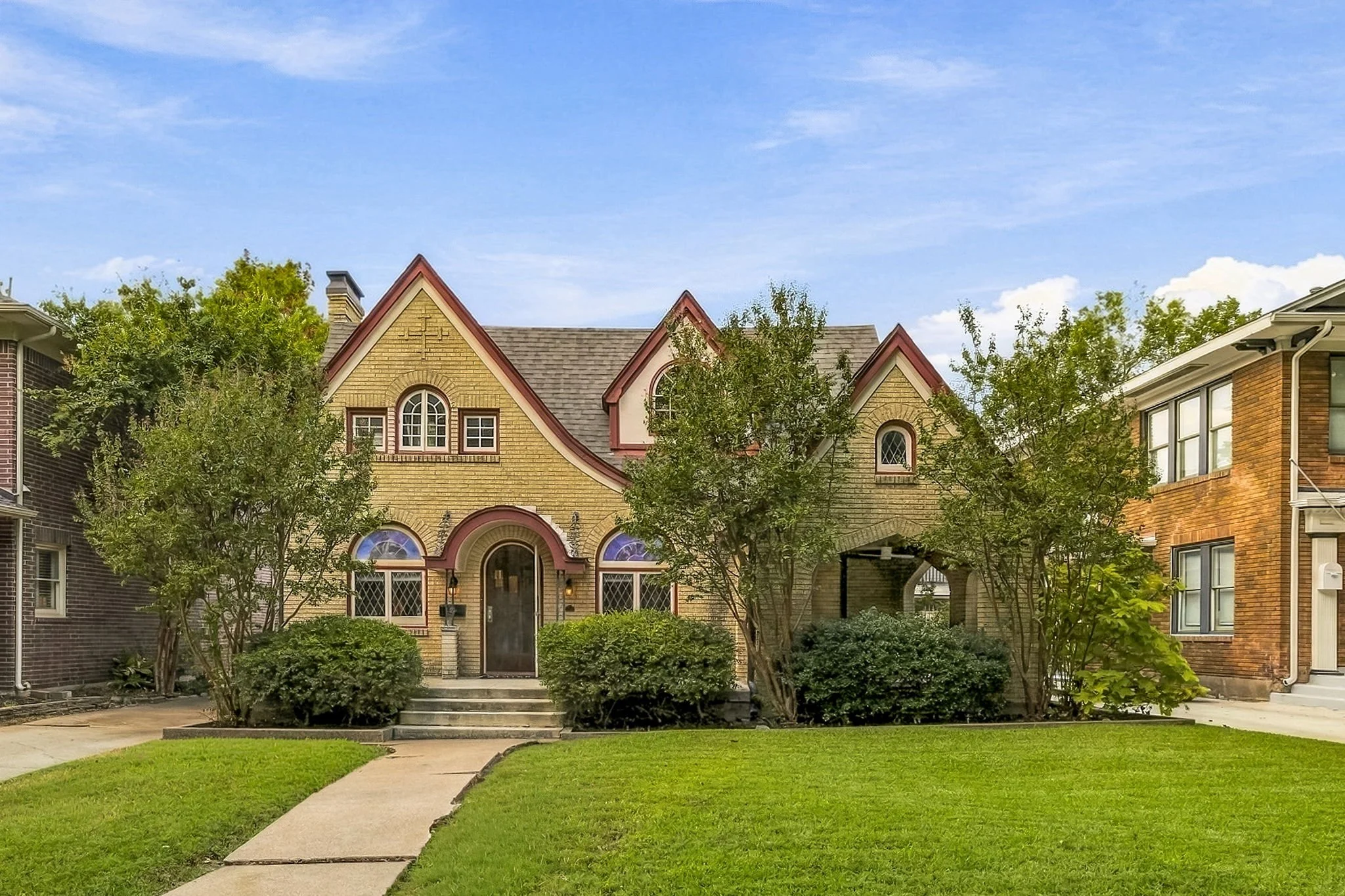
Distinctive architectural details give this Swiss Avenue Historic District home a character that reflects the timeless appeal of Dallas's historic neighborhoods.
In many established Dallas neighborhoods, a home's character is part of its appeal.
Original hardwood floors, distinctive windows, architectural details, fireplaces, mature trees and traditional brickwork may give a property a sense of place that newer homes don't always replicate.
When renovating an older home, it's worth considering which features contribute to that character before removing them.
Sometimes the strongest approach is to preserve what makes the home distinctive while updating the spaces and systems that support modern living.
For example, an older home might benefit from a refreshed kitchen, updated bathrooms, improved lighting and better storage while retaining original floors, doors or architectural details.
The result can offer a combination of character and functionality that appeals to buyers.
This doesn't mean every original feature must remain. Some are impractical, damaged or inconsistent with how the home needs to function. The key is to make intentional decisions rather than assuming that everything old needs to be replaced.
If you're considering a renovation, our article on renovating an older Dallas home explores what to evaluate before taking on a project.
Presentation: Helping Buyers Recognize the Value
Even a well-maintained home can be difficult to appreciate if it isn't presented thoughtfully.
Cluttered rooms, distracting personal items, poor lighting or neglected landscaping can make spaces feel smaller or less inviting than they actually are.
Staging, decluttering, cleaning and professional photography help buyers see the home more clearly. These steps can also highlight its strongest features, from natural light and architectural details to room proportions and outdoor living areas.
Presentation doesn't change the underlying value of a property, and it can't compensate for an unrealistic asking price. But it can influence a buyer's first impression and help the home compete more effectively with other available properties.
Before listing, consider whether each room has a clear purpose, whether the home feels well cared for and whether its best features are easy to notice.
Sometimes the most effective preparation involves editing what is already there rather than adding something new.
For more on this topic, read our article on the power of staging.
The Market Determines What Buyers Are Willing to Pay
Even a beautiful home in a desirable location doesn't exist in a vacuum.
Market conditions influence how buyers evaluate properties and what they're willing to pay. Inventory, competing listings, recent comparable sales, interest rates, buyer demand and the number of similar homes available can all affect a property's market value.
This is why the same home might attract different offers at different times.
It also explains why a homeowner's investment in a renovation doesn't necessarily translate into an equal increase in the sale price. Buyers are comparing the property with alternatives available to them—not simply reimbursing the seller for money spent.
When estimating value, recent comparable sales can provide a useful starting point. But those sales need to be interpreted carefully. Differences in lot size, condition, updates, floor plan and location can make two seemingly similar homes worth different amounts.
Active listings matter, too. They show what buyers can consider right now, although asking prices are not the same as final sale prices.
For a closer look at current market dynamics, read our article on why the Dallas real estate market is becoming more neighborhood-specific.
Why Two Similar Homes Can Have Different Values
Imagine two homes on the same street with similar square footage and bedroom counts.
One has a functional layout, a well-maintained roof, updated major systems and a private backyard. The other has a less practical floor plan, deferred maintenance and finishes that need attention.
On paper, the homes may appear comparable. In person, buyers may see very different opportunities—and very different potential expenses.
Now imagine that the second home sits on a larger lot or has architectural features the first home lacks. The comparison becomes more complicated.
This is why square footage alone rarely tells the entire story.
A meaningful valuation considers the whole property: location, lot, condition, layout, improvements and how it compares with similar homes in the current market.
It's also why online estimates should be treated as a starting point rather than a definitive answer. Automated tools may not fully capture a home's unique features or the differences between individual streets and properties.
Before You Spend Money, Start With a Plan
If you're considering selling in the next year or two, you don't have to tackle every project at once.
In fact, starting with a plan can help you avoid spending money on improvements that may not be necessary.
Begin by evaluating the home's current condition and identifying any repairs that could affect a buyer's confidence. Then consider cosmetic improvements that would help the property show well. Finally, look at larger projects and determine whether the likely benefits justify the expense.
It may help to ask:
What are the strongest features of my home?
What would buyers likely notice first?
Are there maintenance issues that need attention?
How does my home compare with similar properties nearby?
Which improvements would make the biggest difference to its appeal?
How much do I want to invest before selling?
A thoughtful plan can help you prioritize the work that matters most, establish a realistic budget and avoid unnecessary renovations.
And remember: the right strategy for one home may not be right for another. A property that needs significant repairs may require a different approach from one that is already in excellent condition.
So, What Actually Makes a Dallas Home Worth More?
There's rarely one feature that determines a home's value.
It's the combination of location, lot, layout, condition, architectural character, improvements and market demand that shapes how buyers perceive a property and what they're willing to pay.
Some of those factors can be improved. Others are part of what makes the property unique in the first place.
For homeowners thinking about selling, the goal isn't to spend the most money or make the home look like every other property on the market. It's to understand what buyers value, recognize the home's strengths and make informed decisions about where improvements may be worthwhile.
At Slater Real Estate Group, we believe that understanding a home's value begins with understanding the property itself—and the neighborhood around it.
Whether you're considering selling soon, planning updates for the future or simply curious about what your home might be worth, a conversation about your property and the local market can be a useful place to start.