Dallas Real Estate in 2026: Why the Market Is More Neighborhood-Specific Than Ever
Dallas Real Estate in 2026: Why the Market Is More Neighborhood-Specific Than Ever
By Courtney and Edward Slater
The Dallas real estate market is changing, but the story isn't as simple as calling it a buyer's market or a seller's market.
As we move through fall 2026, buyers have more opportunities to negotiate in many situations, while sellers are finding that pricing, preparation and presentation matter more than ever. At the same time, desirable homes in established neighborhoods can continue to attract attention, particularly when they offer something buyers can't easily find elsewhere.
Recent September data from Realtor.com illustrates the balance. The Dallas–Fort Worth area had 29,364 active listings, down 2.3% from a year earlier. The median listing price was approximately $422,500, down 0.6% year over year, and homes spent a median of 62 days on the market. About 27.5% of listings had experienced a price reduction. These figures describe the broader metro area, not every Dallas neighborhood or price range.
So, what does this mean for buyers and sellers?
It means the details matter—and increasingly, the neighborhood matters just as much as the market overall.
Dallas Isn't One Real Estate Market
It's easy to look at a metro-wide statistic and assume it tells the whole story. But the Dallas–Fort Worth area is made up of many smaller markets, each influenced by its own housing inventory, price points, property types and buyer demand.
A home that needs updating may sit on the market while a move-in-ready property nearby attracts immediate interest. A home priced above its competition may struggle, while a well-priced property with a desirable floor plan and location may stand out.
Even homes within the same neighborhood can perform differently depending on their condition, lot, layout and price.
That's why broad market headlines are a starting point—not a substitute for understanding what's happening on a particular street.
Buyers Have More Room to Be Selective
For buyers, today's market can offer something that has been harder to find in recent years: more opportunity to evaluate options and negotiate.
Depending on the property and competition, buyers may have room to negotiate price, request repairs or seek seller concessions. They may also have more time to compare homes before making a decision.
But more negotiating power doesn't mean every home is a bargain.
A property that has been on the market for several weeks may present an opportunity, but it's important to understand why it hasn't sold. Is the price too high? Does the home need substantial work? Is there a layout issue? Or has it simply not reached the right buyer yet?
On the other hand, a well-maintained home in a sought-after location may still generate considerable interest.
The key is knowing how to evaluate the individual property rather than assuming every seller is willing to make a deal.
Location Is Something You Can't Renovate
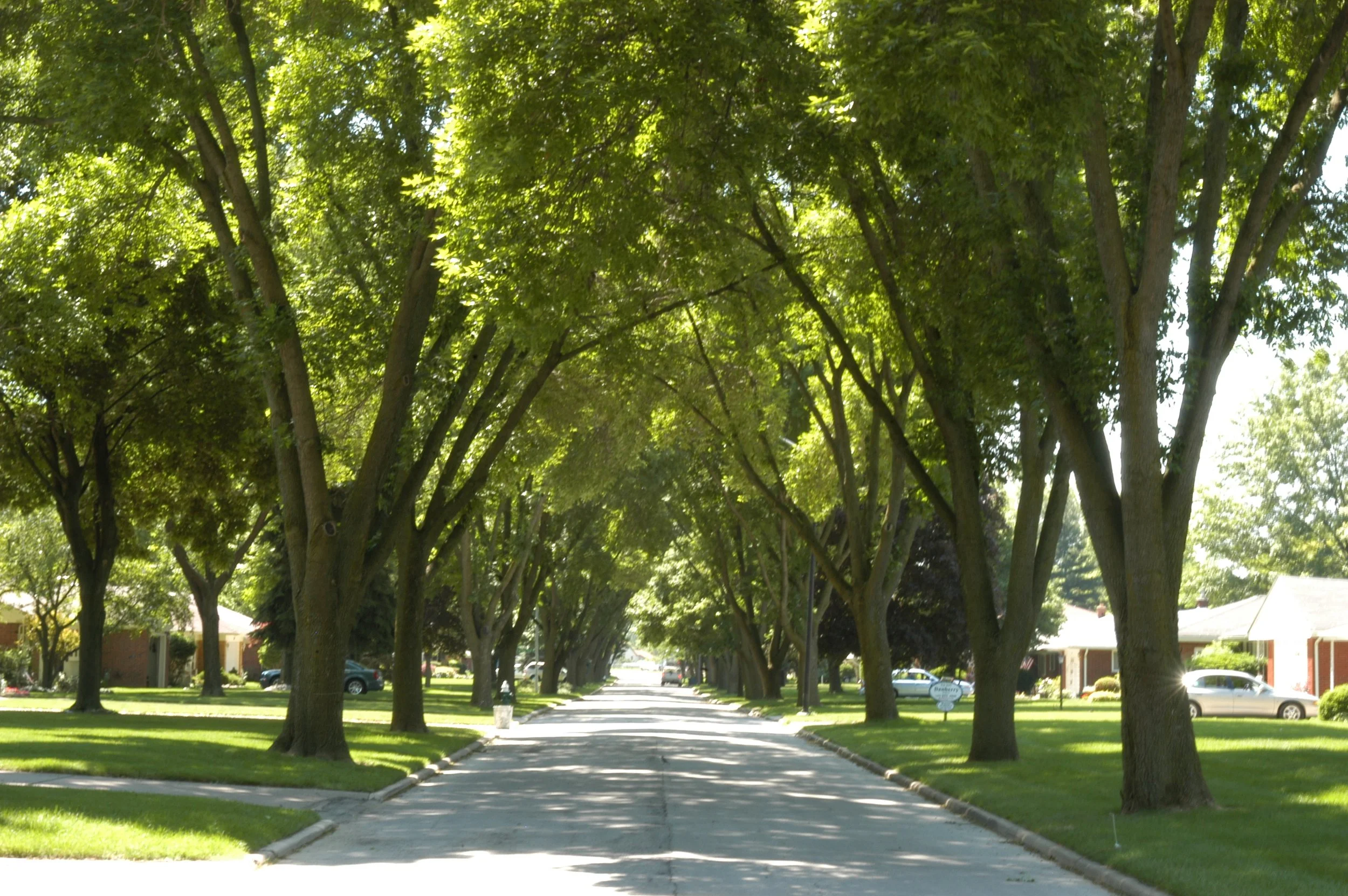
Mature trees, established landscaping and distinctive architecture are part of the character that makes Dallas neighborhoods so appealing.
You can update a kitchen. You can replace flooring, modernize a bathroom or rework a living space. But you can't move a house to a different street, recreate decades of mature trees overnight or manufacture a larger lot in an established neighborhood.
That's one reason established Dallas neighborhoods continue to appeal to buyers.
In areas such as Lake Highlands, Old Lake Highlands, Lakewood, Devonshire, Midway Hollow, Preston Hollow and the Park Cities, buyers may be drawn to mature landscaping, distinctive architecture, established streets and proximity to the places they enjoy.
Each neighborhood offers something different, and the right fit depends on a buyer's priorities, lifestyle and budget.
For some, it may be a traditional home on a tree-lined street. For others, it may be a renovated property with modern amenities or a lot with room to build something new.
Understanding those differences helps buyers focus on the locations and properties that best fit their goals.
Why Some Homes Stand Out in a Competitive Market
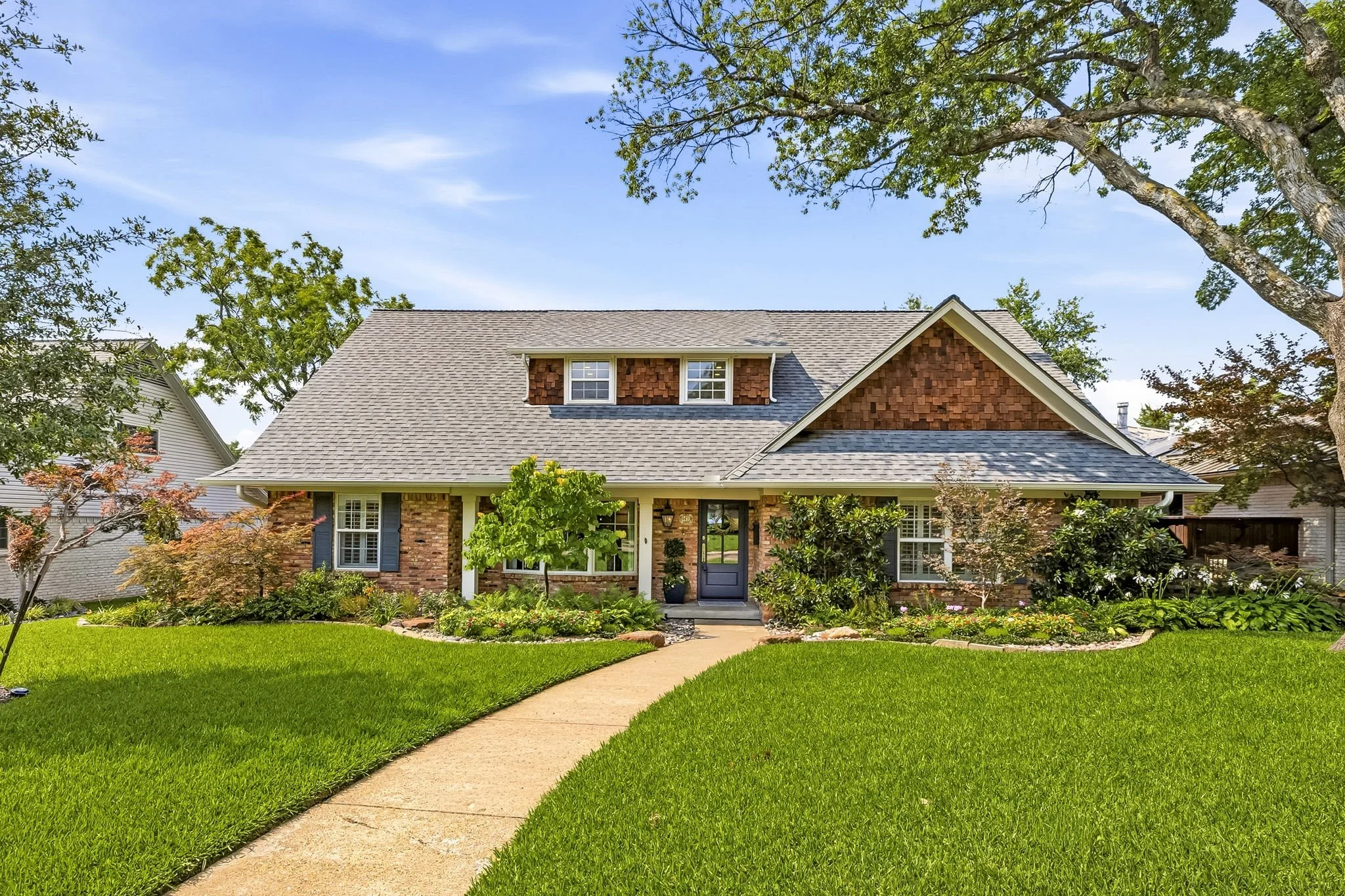
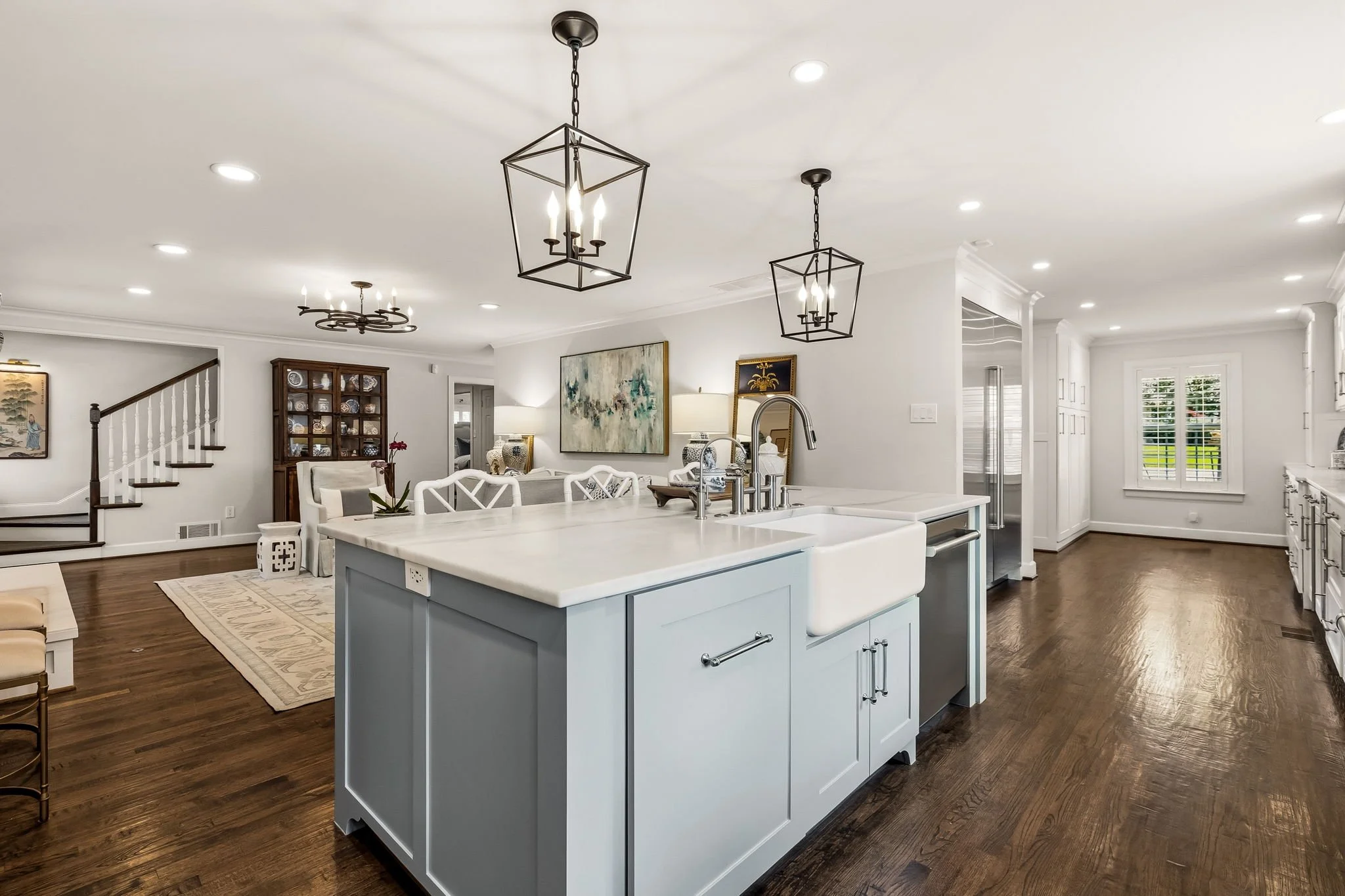

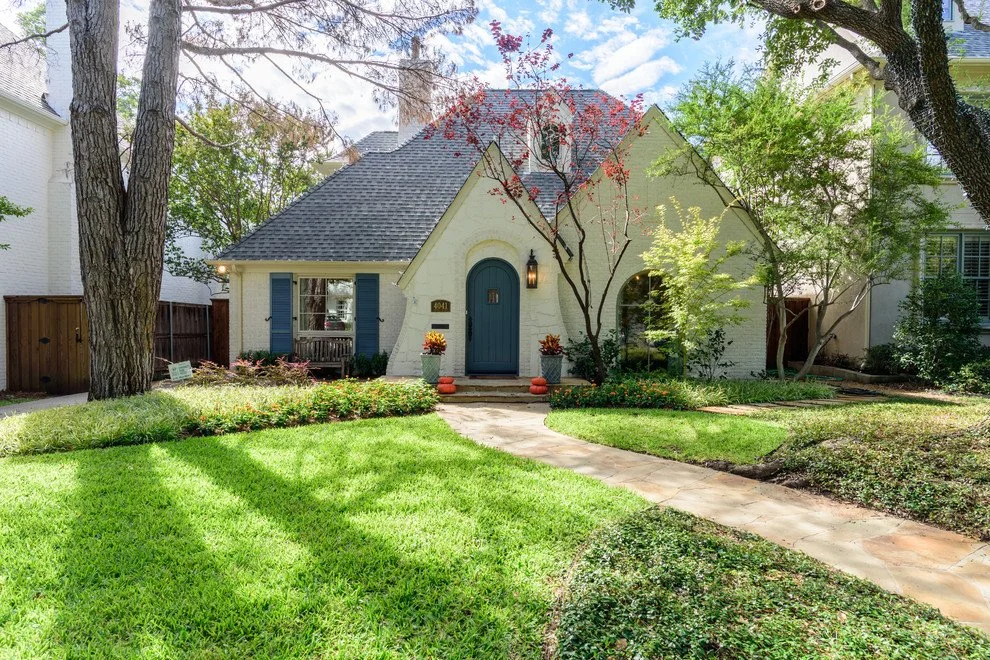
When buyers have options, the homes that stand out tend to give them a clear reason to choose them.
That doesn't always mean the newest kitchen or the most expensive finishes. It may be the lot, the floor plan, the natural light, the outdoor living space or the home's overall condition.
In established neighborhoods, it can also be the combination of features that is difficult to replicate. A thoughtfully renovated home on a desirable street, for example, may offer both modern functionality and the character of an older neighborhood.
This is especially relevant in places like Lakewood and Lake Highlands, where mature trees, established streets and a variety of home styles contribute to the appeal.
When buyers have more choices, a home's distinctive qualities become even more important.
Condition Matters—But Every Home Doesn't Need a Renovation
Today's buyers are paying attention to the condition of a home and the expenses they may face after closing.
They may consider the age and condition of the roof, foundation history, plumbing, electrical systems, HVAC, windows, flooring and major appliances, along with the kitchens, bathrooms and overall presentation.
For older Dallas homes, understanding the underlying systems is particularly important. A home may have beautiful architectural details and a recently updated kitchen, but buyers should also understand the condition of the less visible components.
A pre-inspection can help sellers identify potential issues before listing, allowing them to make informed decisions about repairs and avoid unexpected surprises during the selling process.
That doesn't mean every seller should undertake a major renovation before listing. Sometimes a few strategic improvements, thoughtful staging and appropriate pricing make more sense than an expensive remodel.
The right approach depends on the property, the competition and the likely return on the investment.
For buyers, a home that needs work isn't necessarily the wrong choice, either. The important thing is to understand what needs attention, estimate the cost and decide whether the property still makes sense for the long term.
Sellers: Pricing and Preparation Matter More Than Ever
For sellers, one of the biggest mistakes is pricing a home based on what a neighbor received several years ago—or what the seller hopes the market will support.
Today's buyers have access to more information and can compare available homes before deciding where to focus their attention. When a property is priced too aggressively, buyers may move on rather than make an offer.
A listing that accumulates days on the market or requires repeated price reductions can also lose momentum.
That doesn't mean the goal is to be the least expensive home in the neighborhood. It means understanding where the property fits among its current competition.
Before listing, sellers should consider three questions:
How does my home compare with what's available today?
Look beyond recent sales. Consider the homes buyers can tour right now, including their condition, features and asking prices.
Does the presentation support the price?
Repairs, decluttering, staging, landscaping and professional photography can help buyers understand a home's value. The right improvements depend on the property's condition and target buyer.
What makes my home different?
Perhaps it's the lot, the architecture, the outdoor space, the location or the care that has gone into maintaining the property. Those strengths should be reflected in the marketing and overall pricing strategy.
A strong sale begins with a realistic understanding of the market—not simply an ambitious asking price.
What Buyers Should Consider Before Making a Move
For buyers, a changing market can create opportunities, but the goal shouldn't be to wait for the lowest possible price or try to predict exactly what will happen next.
Instead, start with the things that matter most to you.
Which neighborhoods best fit your lifestyle and commute?
What features are essential, and what could you change later?
Are you comfortable taking on renovations or maintenance?
Does the asking price make sense compared with similar properties?
How long do you expect to stay in the home?
It's also important to look at the full cost of ownership, including taxes, insurance, maintenance and financing—not just the purchase price.
A home that checks the right boxes at a reasonable value may be a good opportunity even if the market changes again. The goal is to make an informed decision that works for your circumstances.
Local Knowledge Makes a Difference
Broad statistics can help explain the overall market, but they can't tell you everything about an individual property.
Metro-wide median prices don't establish the value of a specific home in Lake Highlands. Average days on market don't tell you whether a particular property in Devonshire is likely to attract strong interest. And a headline about buyer leverage doesn't tell you how much negotiating room exists on a home in the Park Cities.
Those questions require a closer look at the neighborhood, recent comparable sales, competing listings, property condition and buyer demand.
That's where local knowledge becomes especially valuable.
Understanding how one area differs from another—and how individual homes compare within those areas—helps buyers and sellers make decisions based on their actual market rather than a general headline.
The Right Strategy Starts With the Right Perspective
The Dallas real estate market of fall 2026 is not the same market buyers and sellers experienced a few years ago. Buyers are weighing their options carefully, sellers need to be strategic, and pricing and presentation can make a meaningful difference.
But the fundamentals remain important: location, condition, value and the features that make a property desirable.
Whether you're considering buying your first home, moving to a different neighborhood, selling a longtime family home or renovating an older Dallas property, the most useful question isn't simply whether the market favors buyers or sellers.
It's this: What is happening in the specific neighborhood and price range that matters to you?
Because in Dallas real estate, there isn't just one market. There are many—and understanding the one you're in is the first step toward making a confident decision.
If you're considering a move in Lake Highlands, Lakewood, Devonshire, Preston Hollow, the Park Cities or another Dallas neighborhood, Courtney and Edward Slater can help you evaluate the local market and determine the strategy that best fits your goals.