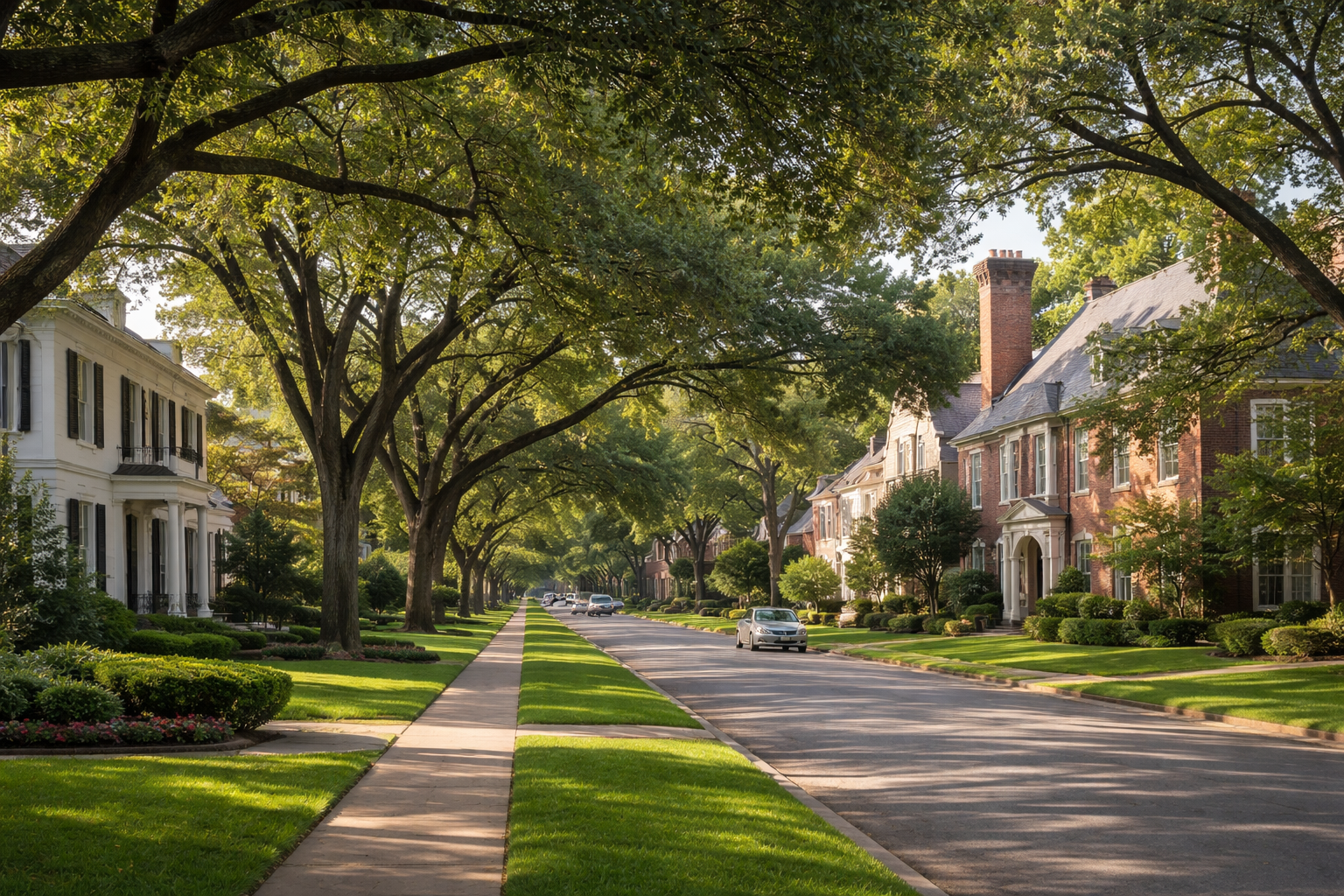
Tree-lined streets and distinctive homes contribute to the timeless character of Highland Park and University Park.
Exploring the Park Cities: Homes, Architecture & Neighborhood Character
By Slater Real Estate Group
Some Dallas neighborhoods are recognizable the moment you turn onto their streets. The Park Cities are certainly among them. Towering mature trees, thoughtfully landscaped properties, distinctive architecture, and established residential streets create a setting that feels both timeless and distinctly Dallas.
Encompassing the Town of Highland Park and the City of University Park, the Park Cities offer a remarkable collection of homes representing more than a century of residential architecture. From charming Tudor cottages and traditional Colonials to Mediterranean-inspired estates and striking contemporary residences, the variety of homes is part of what makes this area so interesting to explore.
At Slater Real Estate Group, the Park Cities hold a special place in our work. Edward grew up in Highland Park, giving him a personal connection to the community and an appreciation for the architectural character and neighborhood details that make this area unique.
Whether you're considering a move to Highland Park or University Park, or simply appreciate the architecture and history of Dallas, here's a closer look at the homes and neighborhoods that define the Park Cities.
A Neighborhood Designed with Intention
Although Highland Park and University Park are often referred to collectively as the Park Cities, each community has its own development history and residential character.
Highland Park began taking shape in the early 1900s under the vision of developer John S. Armstrong. Landscape architect Wilbur D. Cook helped design the original community, incorporating winding streets, green spaces, and an emphasis on the natural landscape. The original plan reserved a significant portion of the land for parks, an influence that remains visible in the community today.
University Park developed around Southern Methodist University, which opened in 1915. As the university grew, residential development followed, creating a community with a variety of subdivisions, housing styles, and lot configurations.
These different beginnings helped shape the streetscapes and housing patterns found throughout the two municipalities. Today, both offer established residential neighborhoods, beautiful landscaping, and convenient access to the heart of Dallas.
Architectural Styles That Tell a Story
One of the most appealing aspects of the Park Cities is the variety of architectural styles found throughout the neighborhoods. Many homes reflect the design preferences of the early and mid-20th century, while newer construction introduces contemporary interpretations of traditional architecture.
Some of the styles buyers may encounter include:
Tudor Revival
Recognizable by steeply pitched rooflines, decorative half-timbering, arched doorways, and distinctive brick or stone details, Tudor Revival homes are among the most recognizable architectural styles in the Park Cities. Their character and craftsmanship give many established streets a particularly charming feel.
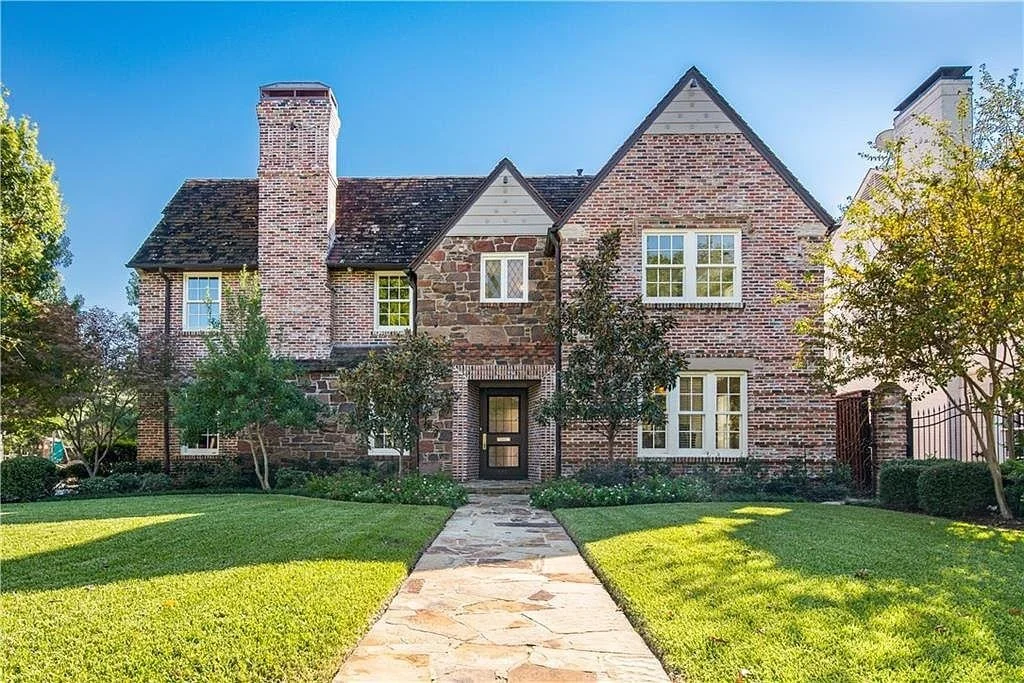
Tudor Revival architecture is among the distinctive styles that give the Park Cities their established residential character.
Colonial and Georgian Revival
Symmetrical facades, traditional brick exteriors, columns, and carefully proportioned windows are common features of Colonial and Georgian-inspired homes. These residences often have a formal presence while maintaining a classic, understated appeal.
Mediterranean and Spanish-Inspired Architecture
Stucco exteriors, tile roofs, arched openings, courtyards, and wrought-iron details give Mediterranean and Spanish-inspired homes their distinctive character. These properties often incorporate outdoor living spaces that complement the North Texas climate.
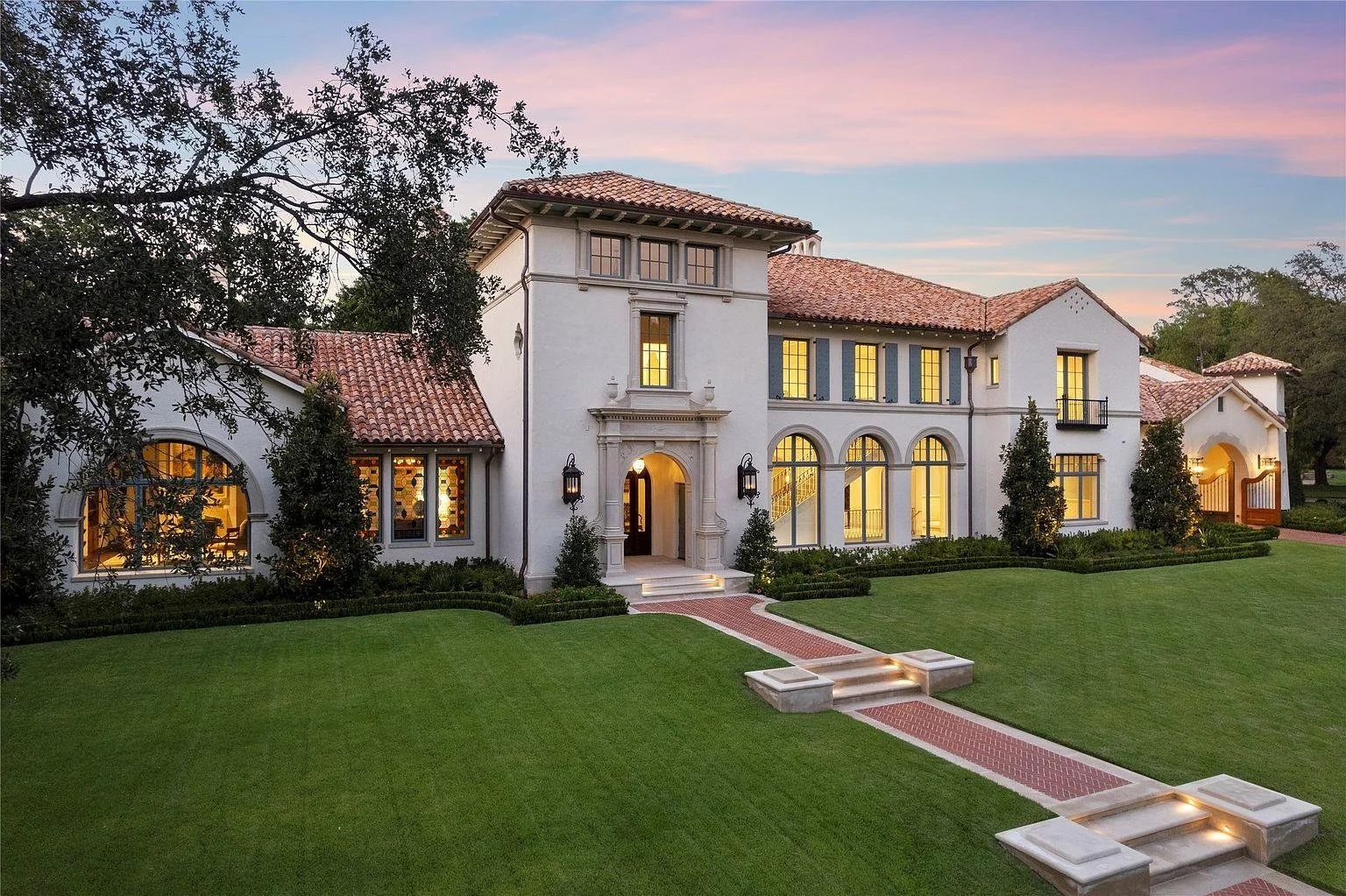
Mediterranean-inspired residences bring distinctive materials, architectural details, and outdoor living spaces to the Park Cities.
French and European-Inspired Homes
From limestone facades and steep rooflines to elaborate architectural detailing, French and European-inspired residences bring a sense of elegance and individuality to the neighborhood.
Traditional and Contemporary Construction
Not every home in the Park Cities is historic. Buyers will also find updated traditional residences, extensively renovated properties, and newer custom homes that incorporate open floor plans, modern amenities, and contemporary finishes.
This combination of architectural history and newer construction gives the Park Cities a housing landscape that continues to evolve.
The Architects Behind the Character
The architectural history of the Park Cities is closely connected to several influential Dallas architects.
Names such as Hal Thomson, Anton Korn, Fooshee & Cheek, and Charles Dilbeck are associated with some of the area's notable residential architecture. Their work helped establish the architectural identity of Highland Park and University Park during a period of significant residential growth.
For buyers who appreciate historic homes, these architectural details can make a property particularly special. Original millwork, distinctive windows, carefully proportioned rooms, masonry details, and craftsmanship are features that may be difficult to replicate in newer construction.
Preservation Park Cities has worked to bring greater awareness to the area's architecturally significant homes through its educational and preservation efforts. Its publication, The Houses of the Park Cities, offers an especially interesting look at the architects and residences that helped shape these communities.
Mature Trees, Established Streets & Outdoor Spaces
Architecture is only part of what makes the Park Cities distinctive. The surrounding landscape contributes just as much to the experience of living here.
Mature trees canopy many residential streets, while established landscaping, sidewalks, and thoughtfully maintained properties create an inviting neighborhood atmosphere.
In Highland Park, the influence of the original landscape plan remains especially evident. Parks and green spaces along Turtle Creek and throughout the community provide residents with opportunities to enjoy the outdoors without traveling far from home.
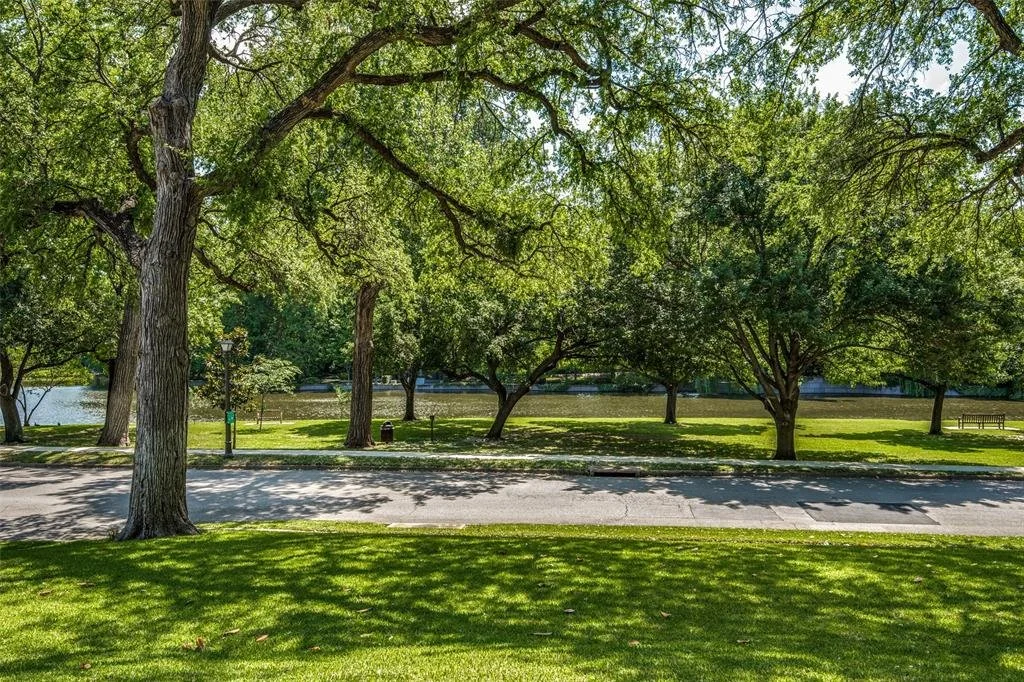
Mature trees, shaded sidewalks, and inviting green spaces contribute to the established neighborhood character and outdoor appeal of the Park Cities.
University Park offers its own collection of neighborhood parks, tree-lined streets, and residential areas surrounding Southern Methodist University.
For many buyers, these details are just as important as the home itself. The setting, streetscape, and relationship between a property and its surroundings all contribute to the overall appeal of a neighborhood.
Older Homes, Renovations & New Construction
One of the most interesting aspects of the Park Cities real estate market is the range of properties available.
Some buyers are drawn to the character of an older home, appreciating its architectural details, established landscaping, and original design. Others prefer a fully renovated residence that combines traditional architecture with updated kitchens, bathrooms, and modern conveniences.
New construction is also part of the area's evolving housing landscape. Custom homes often incorporate larger living spaces, open floor plans, expanded outdoor areas, and amenities designed around today's lifestyles.
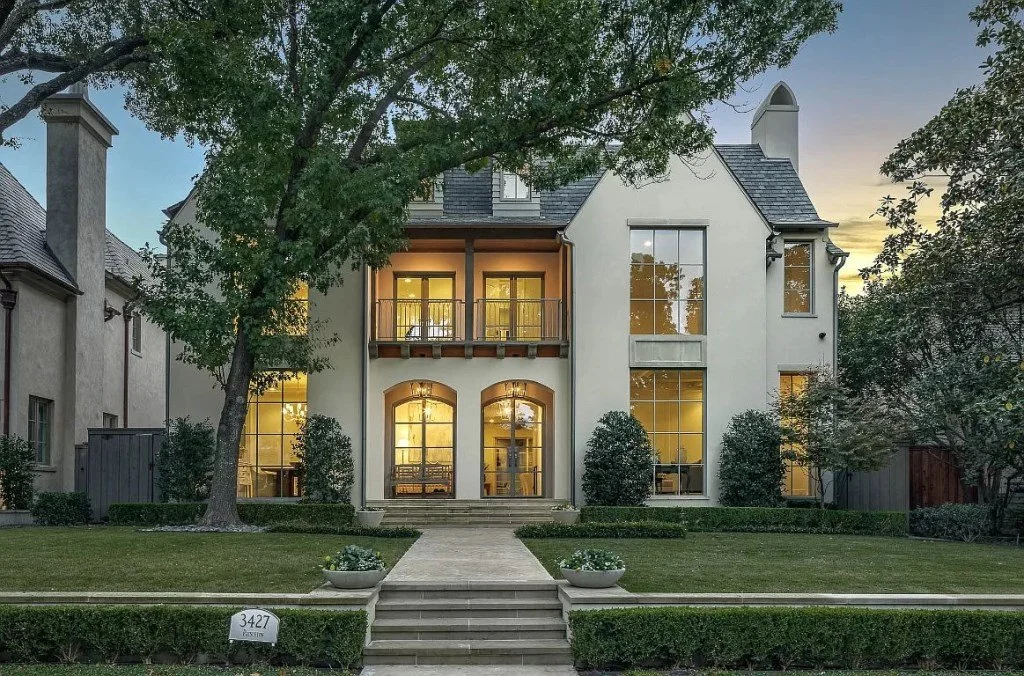
Thoughtful design brings together classic architectural details and modern living, creating homes that balance timeless character with today's lifestyle.
For buyers considering an older property, it is important to look beyond the initial appearance. The condition of major systems, the age of the roof, foundation considerations, previous renovations, and the overall condition of the property should all be part of the evaluation.
Buyers interested in renovating or building should also understand the specific requirements that apply to the property. Lot dimensions, setbacks, zoning, tree regulations, and permitting requirements can vary, and the applicable municipality should be consulted before making plans.
A property's existing footprint and its potential for future improvements are two different considerations. Understanding both can help buyers make a more informed decision.
What Buyers Should Consider When Exploring Park Cities Homes
While the Park Cities share a desirable central Dallas location, no two properties are exactly alike. A home that appears similar to another nearby residence may have very different considerations when it comes to lot size, layout, condition, or future improvements.
As you explore the area, consider:
Architectural character: Does the home's style, layout, and design fit your preferences?
Lot dimensions: How does the lot size and configuration affect outdoor space, privacy, and potential improvements?
Condition and updates: Have major systems and structural components been maintained or updated?
Renovation potential: Are there municipal requirements or property-specific restrictions that could affect future plans?
Location within the Park Cities: How does the property's location relate to parks, shopping, schools, and everyday destinations?
Taking time to evaluate these details can help you better understand not only the home you're considering, but also how it fits into the surrounding neighborhood.
A Closer Look at the Park Cities
The appeal of Highland Park and University Park goes beyond impressive homes and beautiful streets. Their architectural history, established residential settings, and proximity to Dallas amenities create communities with a distinctive sense of place.
For some buyers, the attraction is a historic home with original architectural details. For others, it is a newly constructed residence designed around modern living. And for many, it is the opportunity to enjoy an established neighborhood with a strong connection to the city.
At Slater Real Estate Group, Courtney and Edward Slater understand that finding the right home involves more than identifying a property that checks the boxes. It means understanding the neighborhood, evaluating the details, and recognizing the qualities that make one property a better fit than another.
Edward's lifelong connection to Highland Park, combined with the team's experience throughout Dallas, brings an added perspective to helping buyers navigate the Park Cities market.
If you're considering a move to Highland Park or University Park, we'd welcome the opportunity to help you explore the area and find a home that fits your goals.
Interested in learning more about the area? Visit our guide to Living in the Park Cities for a closer look at Highland Park, University Park, local amenities, schools, and what buyers should know before making a move.